HANNAH
WOLKSTEIN
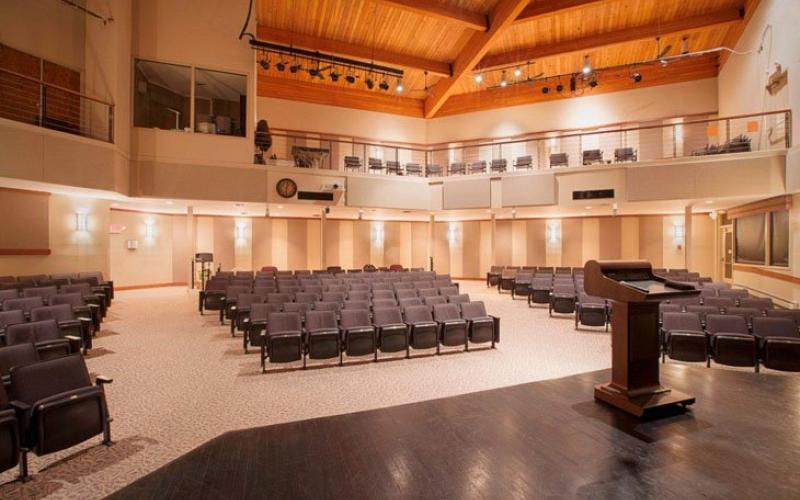
May 9 - Oakwood Village West
7:00 p.m.
6205 Mineral Point Road
Madison, WI 53705
Hannah will be performing with pianist, Stacy Fehr Regehr. Stacy is an active collaborative artist in the Madison area and performs regularly as a member of both Oakwood Chamber Players and Madison New Music Ensemble. She is also the pianist for Fresco Opera’s Garage Opera series, Opera at Olbrich, and Opera on the Point. For almost two decades, she enjoyed the role of staff accompanist at the School of Madison Ballet. Stacy holds degrees in piano performance with a pedagogy emphasis from Kansas State University and Emporia State University, and has served in adjunct teaching positions at both universities.
Cello & Piano Duo Recital Program
Gabriel Fauré (1845–1924)
Romance
Originally composed for cello and organ, Fauré’s Romance was first performed in November 1894 and quickly gained popularity for its lyrical beauty and intimate character. The work exemplifies Fauré’s gift for long, singing melodic lines, supported by gentle, flowing harmonies. In its cello and piano arrangement, the piece retains its warm, expressive quality, making it a beloved encore selection that continues to resonate with audiences today.
Frédéric Chopin (1810–1849)
Introduction and Polonaise Brillante, Op. 3
In October 1829, Chopin visited a prince’s estate in Poznań, where he composed the Polonaise brillante for the cello-playing host to perform with his pianist daughter. The work was later expanded during Chopin’s 1830 visit to Vienna, when he added a dramatic introduction for the distinguished cellist Joseph Merk.
The Introduction opens with elaborate piano flourishes, setting a reflective and somewhat melancholic tone before the cello enters with a lyrical, expressive melody. This introspective opening gives way to the Polonaise, a brilliant and spirited dance marked by its characteristic rhythmic pattern. The piece showcases both instruments in virtuosic interplay, combining elegance with exuberance.
Antonín Dvořák (1841–1904)
Silent Woods (Waldesruhe)
Silent Woods is the English title of Waldesruhe, originally the fifth movement of Dvořák’s piano four-hands cycle From the Bohemian Forest (1883). Reflecting the Romantic era’s fondness for arranging popular works, Dvořák later adapted this piece for cello and piano for a concert tour.
The music evokes a serene forest landscape, rich in atmosphere and nostalgia. The cello sings a deeply expressive melody over a gently undulating piano accompaniment, capturing a sense of stillness and introspection. The work’s simplicity and emotional depth have made it one of Dvořák’s most cherished shorter compositions.
Sergei Rachmaninoff (1873–1943)
Sonata in G minor for Cello and Piano, Op. 19
Completed in November 1901, Rachmaninoff’s Cello Sonata stands as one of the great masterpieces of the repertoire. The composer conceived the piano and cello as equal partners, with the piano often introducing thematic material that the cello then develops and transforms.
The sonata unfolds across four movements, blending sweeping Romantic lyricism with structural sophistication. Throughout the work, listeners may hear echoes of Russian Orthodox church bells—a recurring element in Rachmaninoff’s music. From the brooding intensity of the opening movement to the expansive lyricism of the slow movement and the energetic brilliance of the finale, the sonata offers a rich and emotionally compelling journey for both performers and audience alike.